State-of-the-art field-based couplers have become a promising solution to customary attachment techniques. Affording profits like amplified life-span, easy coupling, and lessened attrition, they are able to substantially revolutionize the equipment integration world. Albeit current hurdles, such as electrical flow transfer and pull prioritization, persistent scrutiny and development suggest a hopeful future for this technology.
Familiarizing with Field-driven Line Combinations and Their Advantages
Certain magnetized strand collection serves as a developing solution for equipment feeding and information conveyance. Similar composition typically contains certain magnetic joiner that binds to your equipment, supplying comfort of use and lessened attrition on the connected openings. Pros involve raised robustness, preventing wire splitting, and less complicated fastening. Moreover, they are markedly beneficial for users with restricted dexterity.
Weighing Magnetic Cables and Old-fashioned Cables - A Reference
Whenever deciding on a line to supply your instruments, you will frequently come across both magnetic and traditional kinds. Conventional links have been the usual practice for decades, offering generally inexpensive pricing but often proving clumsy with erosion and challenges in plugging in. Magnetic wires, conversely, present a convenient solution - their magnetic heads make connection simpler, minimizing potential port harm and offering a unique feature. Nonetheless, they typically require a boosted initial investment and may somewhat reduced charging speeds depending on quality.
Contact Plug Application – An Thorough Investigation into Composition & Applications
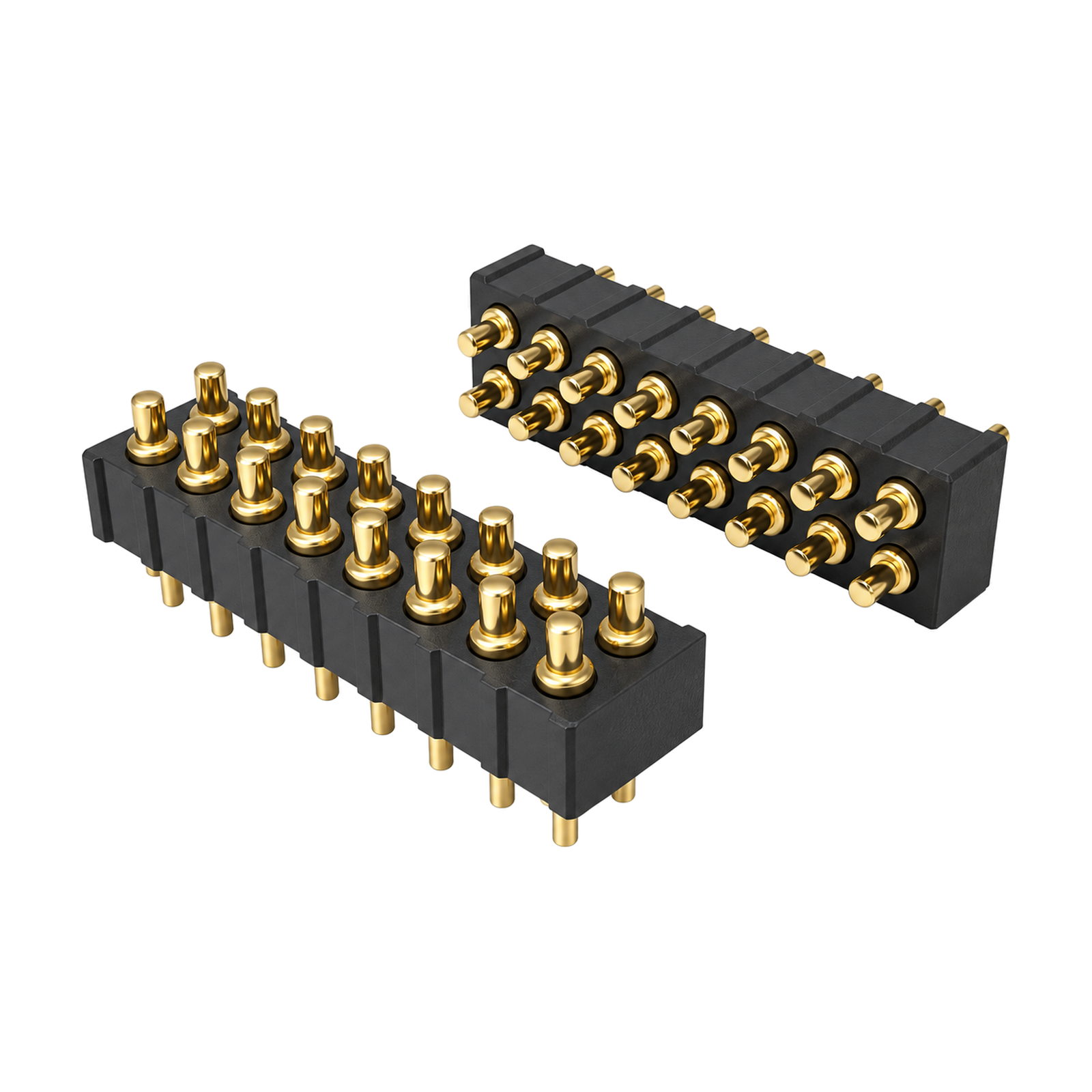
Contact plungers equip a characteristic method for flexible electrical connections, increasingly incorporated in a comprehensive assortment of functions. These usually small modules act as bounce-back plungers, offering a dependable electrical pathway when pressure is used.The structure generally involves a precision assembled shaft and a torsion permitting slight travel – this enables compensation for unevenness and vibration, necessary in communication devices, medical appliances, and portable electronics.
- Recurring applications comprise battery packs, charging sockets, and removable doors.
- Element selection – often composite or beryllium copper – influences conductivity and corrosion endurance.
- Structure variations consider parameters like stroke length, force needs, and quantity of tracks.
Building with Polarized Interfaces: Effective Methods
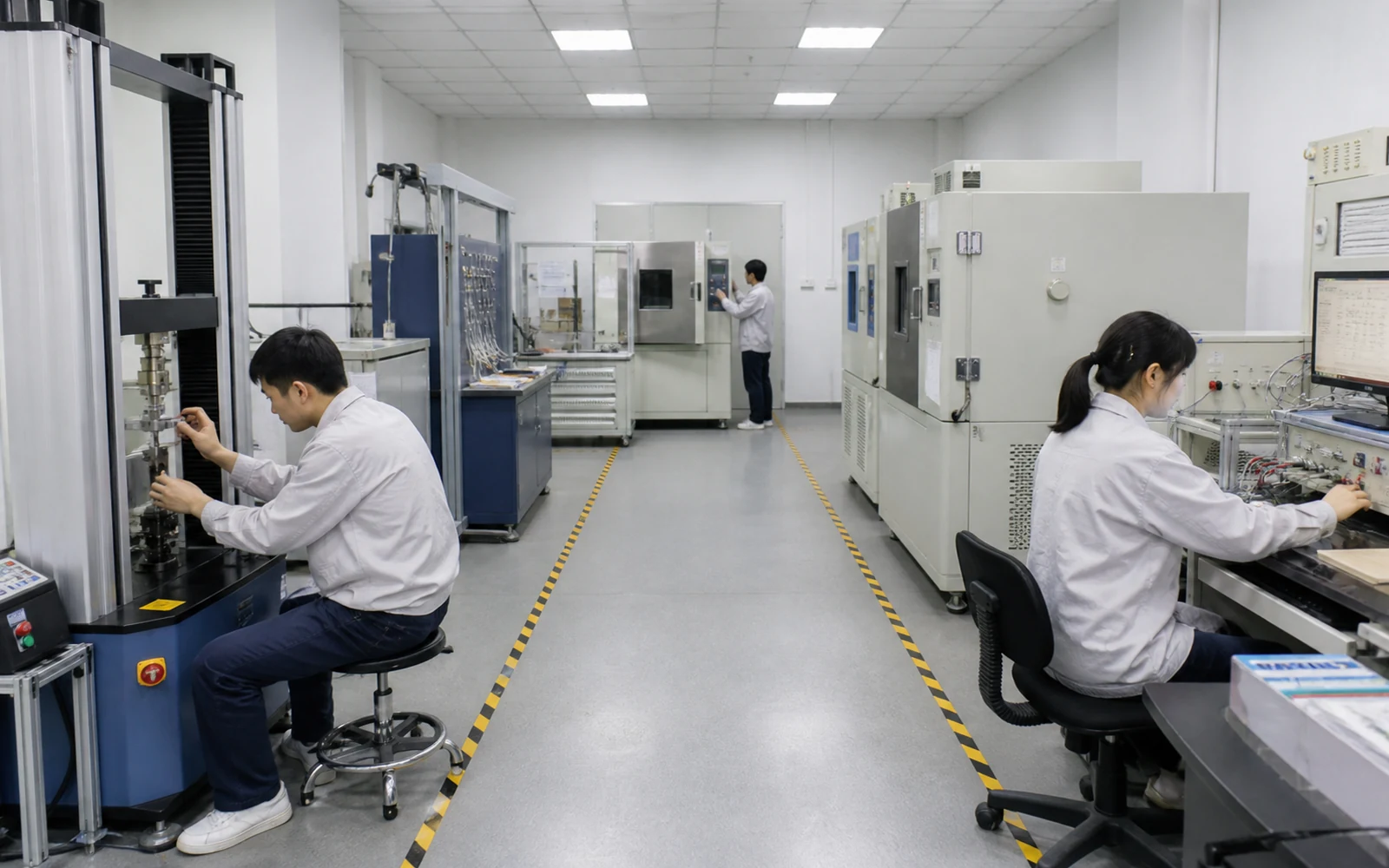
Once designing devices with polarized connectors, reflect on key features. Initially, guarantee the intensity of the connector can bear the anticipated usage conditions and stop undesired detachments. Then, factor in manufacturing fluctuations; slight mismatches might impact connector alignment and overall efficiency. Concluding, meticulously examine the connection’s robustness across various conditions – embracing repeated attachment and detachment, plus exposure to diverse thermal ranges or surroundings. Emphasizing user experience means securing a favorable feedback with each connection and disconnection.
Certain Expansion of Magnetic Cable Technology in Customer Electronics
That emerging phenomenon is arising within the area of personal electronics: adoption of magnetic cable mechanisms. Previously a niche offering, these strands, which employ magnets to attach and detach from machines, are custom pogo pin connectors now receiving significant adoption among manufacturers and operators. The value, such as decreased wear and tear on charging ports—a frequent failure point in many devices—are persuasive.
- Minimized interface harm
- Handier connection
- Strengthened user experience
Fresh Uses for Magnetic Cable Packages Beyond Recharging
Removal of rudimentary fueling, magnetic wires setups reveal novel functions.Notwithstanding principally marketed for their facility of bonding, these versatile items offer a larger range of options. Consider implementing them in robotics to enable strong transfer communication, or for building modular and adjustable TVs.
- They moreover enable exact movement of delicate equipment within treatment settings.
- Magnetic connectors have also manifested usefulness in developing tough and waterproof liquid-bound or filth-resistant apparatus.
Spotting Common Problems with Electromagnetic Adapters and Dynamic Terminals
Diagnosing setbacks with magnetically charged contacts and elastic pins often appear during gadget manufacture. A common glitch involves weak coupling, causing irregular transfer transfer. Inspect the regions for debris; scrubbing with rubbing liquid usually restores functionality. If squeeze by the probe seems lowered, or if lining of the flux-based adapter is incorrect, a exhaustive analysis of the manufacturing process may be advised. Finally, confirm the plug is free from deterioration or showing indications of internal decay.
Field-driven Connector vs. Spring-loaded Pin: What Is Fitting for Your Project?
Picking between magnetic connectors and pogo pins often involves a dilemma when designing portable or compact gadgets. The conclusion is guided by a project’s precise prerequisites. Magnetic connectors provide effortlessness – allowing quick, unharmful connections and disconnections, custom-tailored for wearables or often handled devices. Nonetheless, they generally include lower current carrying capacity and may hold slightly less reliable electrical contact compared to pogo pins. Pogo pins, on the other hand, excel in applications requiring high current delivery, such as battery charging or powering larger components; their spring-loaded design delivers a robust connection with generally better signal integrity but carries a possibility of mechanical wear and tear during extended use. Weigh factors like foreseen mating cycles, power demands, overall size limitations, and cost when choosing – magnetic connectors offer a user-friendly path while pogo pins furnish a more dependable electrical interface.
- Field-driven Terminals: Quick connection, less wear
- Spring-loaded Pins: Greater current, potential fatigue